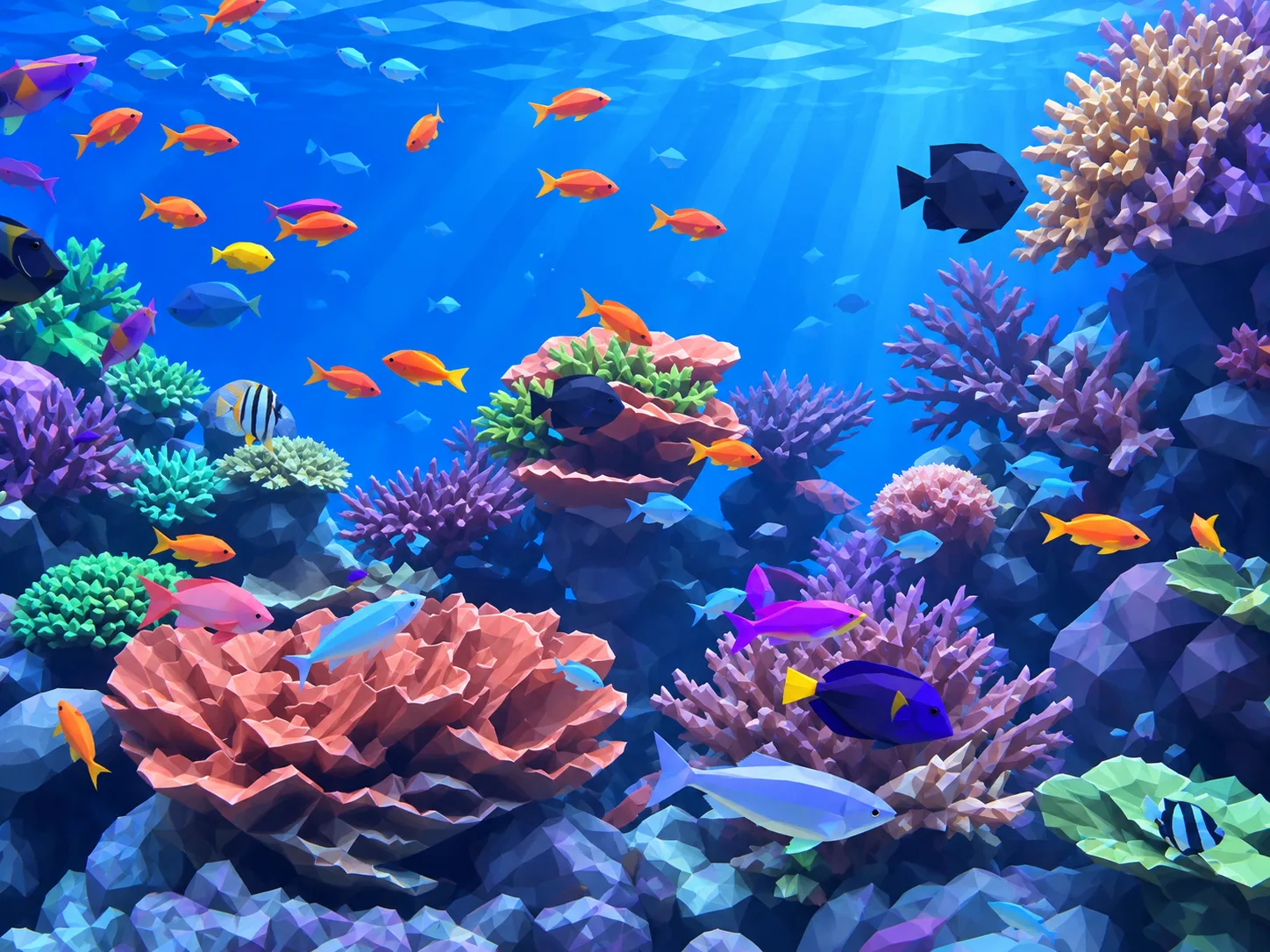
The ocean, distilled into glass.
Reef aquariums are among the most complex ecosystems a hobbyist can create. They're also among the most spectacular. Plan yours before a drop of salt water is mixed.
Design a saltwater tankFour reef philosophies
Choose based on your experience, budget, and how much coral complexity you want.

Fish Only with Live Rock
BeginnerThe entry point to marine aquariums. Live rock provides biological filtration and a natural backdrop. No coral to worry about, focus goes entirely on the fish.
Lighting: Low

Large Polyp Stony Reef
IntermediateBold, fleshy coral with a distinctive presence, hammer coral, torch, frogspawn, brain corals, elegance. They tolerate moderate flow and light, and many are touchably tactile.
Lighting: Moderate

Small Polyp Stony Reef
ExpertThe pursuit of precision. Acropora, Montipora, Pocillopora. SPS coral demand exceptional water chemistry, intense lighting, and strong, varied flow. The highest-stakes reef.
Lighting: High

Mixed Reef
AdvancedSoft coral on the sand bed, LPS in the mid-zone, SPS at the peaks. Each zone receives appropriate light and flow. The most visually diverse and technically demanding approach.
Lighting: Varied by zone

"Every reef tank is a fragment of the ocean. Respect what it takes to keep it alive."
Common reef inhabitants
A healthy reef is a community. Fish, coral, and invertebrates each fill a role, grazer, predator, cleaner, filter feeder. Balance matters.
Full creature librarySelected reef inhabitants
Key water chemistry targets
Salinity
1.025 – 1.026SG
Natural seawater density
Temperature
24 – 27°C
Stability matters more than the exact figure
pH
8.1 – 8.3
Dips overnight as photosynthesis stops
Alkalinity
8 – 11dKH
Buffers pH and feeds skeletal growth
Calcium
400 – 450ppm
Consumed fastest by SPS
Magnesium
1250 – 1350ppm
Holds calcium and alkalinity in solution